
Orthopedic clinics in Rock Springs tend to overfocus on visible fixes like ramps and parking, then miss the parts that actually trigger complaints. Interior door widths under 32 inches, fixed-height exam tables, inaccessible restrooms, and waiting room seating that post-op patients can’t use without help. Add staff who don’t know how to handle service animals or interpreter requests, and you have a pattern. The ADA under Title III doesn’t scale down for small towns. Same requirements, same exposure.
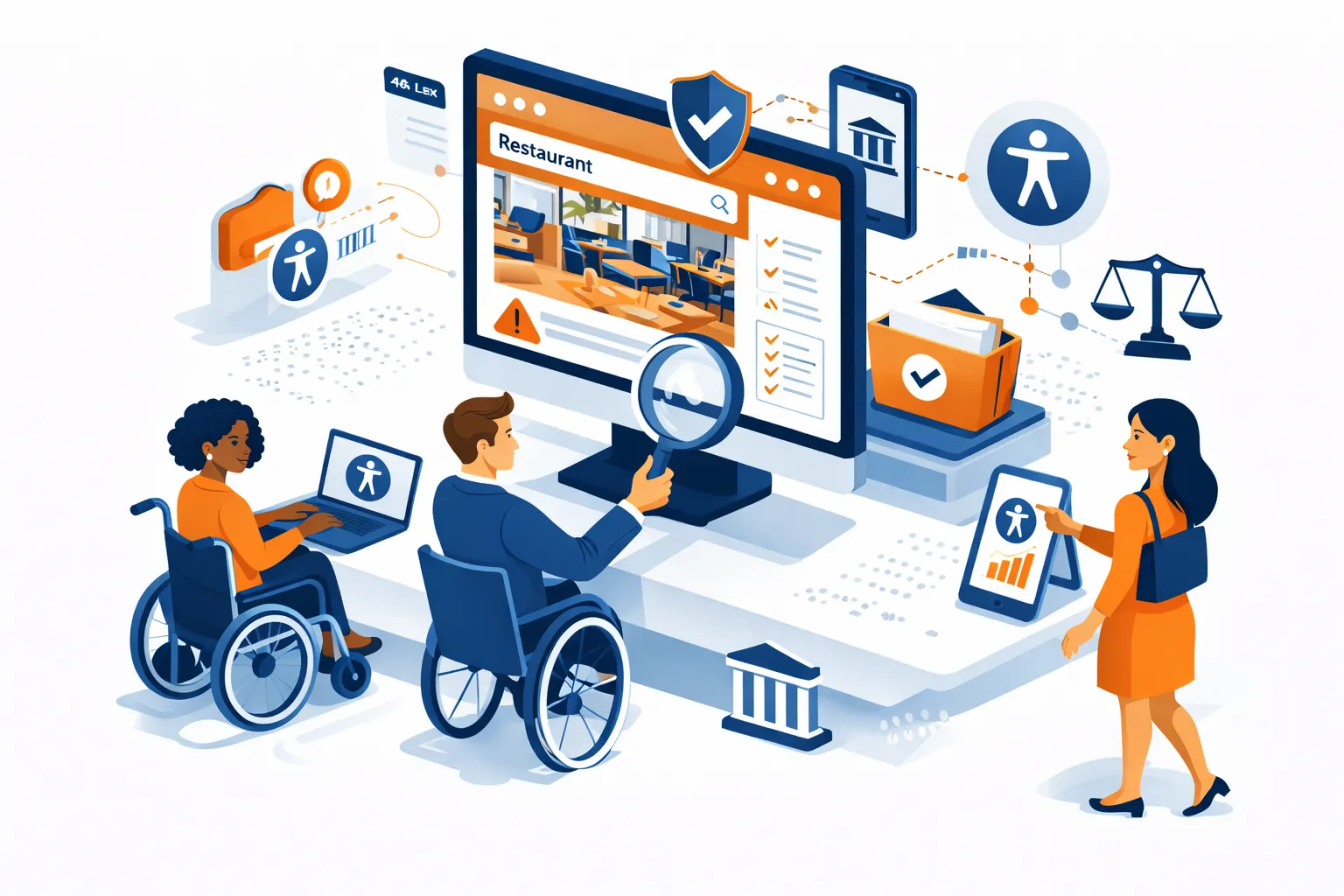
Most legal risk now sits in communication and digital access. Websites that fail basic WCAG 2.1 AA checks, online scheduling that blocks screen readers, intake forms that aren’t accessible, and telehealth platforms that don’t support captions or interpreters. These aren’t edge cases. They’re common failures. Costs to fix them are predictable—usually a few thousand to low five figures. Settlements often land in the same range, plus legal fees, plus forced remediation anyway.
Frequently Asked Questions
Title III of the Americans with Disabilities Act applies to all private orthopedic practices. It covers physical access, communication, and digital services like websites and patient portals.
No. Size affects how “undue burden” is judged, but most routine accommodations don’t qualify as an undue burden.
Not explicitly written into the statute, but enforcement actions have focused on inaccessible exam tables. Clinics using only fixed-height tables are exposed.
Interior door widths under 32 inches, restrooms without proper turning radius or grab bar placement, and waiting room seating that doesn’t support patients with limited mobility.
Yes in practice. Courts treat websites as part of the service. WCAG 2.1 AA is the standard most cases reference.
No, except in limited emergencies. Clinics are expected to provide qualified interpreters for effective communication.
Only if it works reliably. Poor connection quality makes it non-compliant.
A significant expense relative to total resources. Interpreter services, basic website fixes, and accessible documents usually don’t meet that threshold.
Website fixes often range from $2,000 to $15,000. Accessible exam tables run $3,000 to $10,000 each. Minor physical updates can cost a few thousand dollars, while major renovations can exceed $50,000.
Demand letters, settlements typically between $5,000 and $50,000, legal fees, and required remediation.
Yes. Video platforms, forms, and communication methods must be accessible, including captioning or interpreter integration.
They fix the entrance and ignore exam rooms, communication processes, and digital access. That’s where most complaints come from.

Comments
Log in to add a comment.